Art has always evolved alongside technology, but artificial intelligence is accelerating that evolution at an unprecedented pace. From AI-generated paintings and music to algorithm-driven visual styles, machines are no longer just tools—they are creative collaborators. As AI reshapes how art is made and perceived, it raises compelling questions about authorship, originality, and the future role of human creativity.
Table of Contents
Introduction
Creative collaboration in the arts unlocks new forms of synergy and innovation, but the rise of technologies like AI also raises concerns about threats to artists’ livelihoods and creative identity. The Power of Creative Collaboration allows artists to pool diverse skills and perspectives, leading to innovative outcomes that would be difficult to achieve alone. It can break creative blocks, open new artistic horizons, and increase visibility through joint projects and shared audiences. Many artists cite collaboration as a catalyst for personal and professional growth, enabling them to expand their styles and reach wider audiences.
Threats Facing Artists:
The modern collaboration is not without risks. Creative differences, ego clashes, and disputes over profit‑sharing can challenge group efforts. The most pronounced threat comes from the use of AI in the creative industries. AI‑generated art often draws upon the works of human artists without consent, causing ethical and legal issues related to copyright and intellectual property. Many fear that this devalues original human creativity and threatens jobs, especially for emerging artists who may face reduced opportunities as companies opt for cost‑saving AI‑driven automation.
Navigating the Future:
The future of creative collaboration hinges on balancing AI‑enabled technological advances with protecting the rights and recognition of individual artists. Open dialogue, legal safeguards, and fair compensation models are essential to ensure that collaboration continues to enrich creativity without undermining the value of unique human expression.
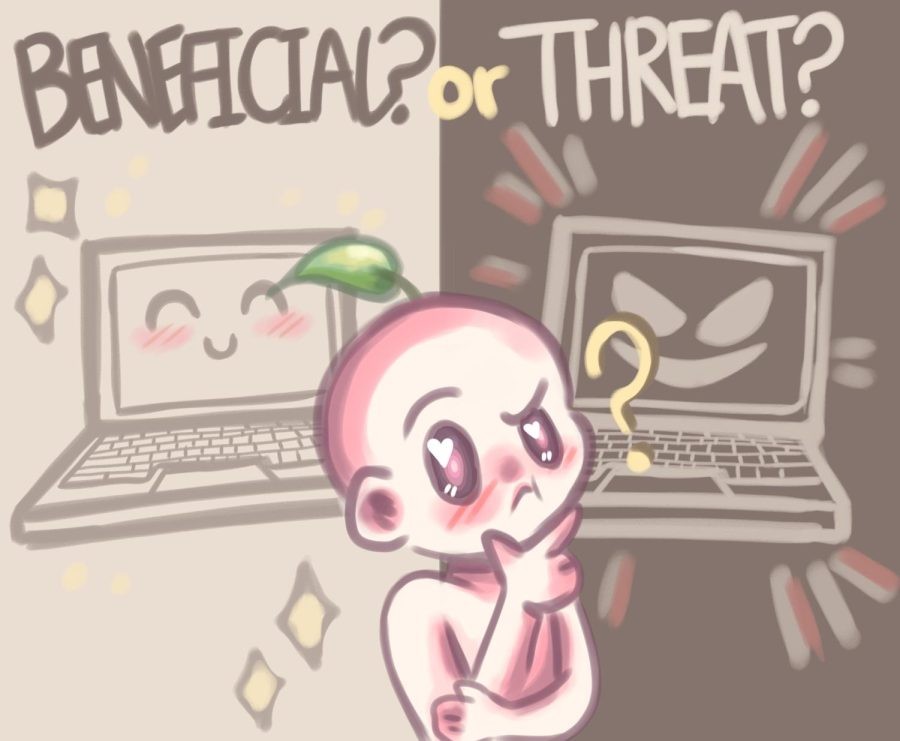
AI as a Creative Partner:
AI is increasingly functioning as a creative partner, working alongside artists to shape and enhance the creative process. What it entails:
– Artists provide prompts, concepts, or constraints; the AI generates or augments content (images, music, text, etc.).
– The human creator then curates, edits, or builds upon that output.
Advantages:
1. Accelerated ideation – Fast‑track brainstorming; AI suggests variations that might not be immediately obvious, reducing the threat of creative stagnation.
2. Style and technique exploration – Instantly applies different aesthetics, genres, or historical styles without manual rework, opening new possibilities while posing a threat of homogenization.
3. Efficiency – Handles repetitive or labor‑intensive tasks, freeing the artist for higher‑level, conceptual work and mitigating the threat of burnout.
4. New artistic avenues – Enables hybrid forms, such as interactive or generative installations, that blend human intent with algorithmic randomness, though the threat of losing personal voice remains.
Challenges:
– Control and unpredictability – AI may produce unexpected results; artists must balance surprise with purposeful direction, facing the threat of losing creative control.
– Skill and dependency concerns – Over‑reliance on AI could erode personal technique or craftsmanship, creating a threat to skill development.
– Authorship ambiguity – It’s unclear whether the creator, the AI, or both should claim ownership and credit, raising a legal threat.
Practical examples:
– Illustrators using tools like Midjourney or DALL‑E to draft concepts, then refining them manually.
– Musicians co‑creating with AI‑generated chord progressions or melodies.
– Designers employing AI‑driven generative‑design platforms to auto‑generate layout options for branding.
Wrap Up: AI as a creative partner expands possibilities and streamlines workflow, but success depends on thoughtful integration: leveraging AI’s strengths while preserving the artist’s vision, agency, and skill, and addressing the threat of diminished artistic identity.
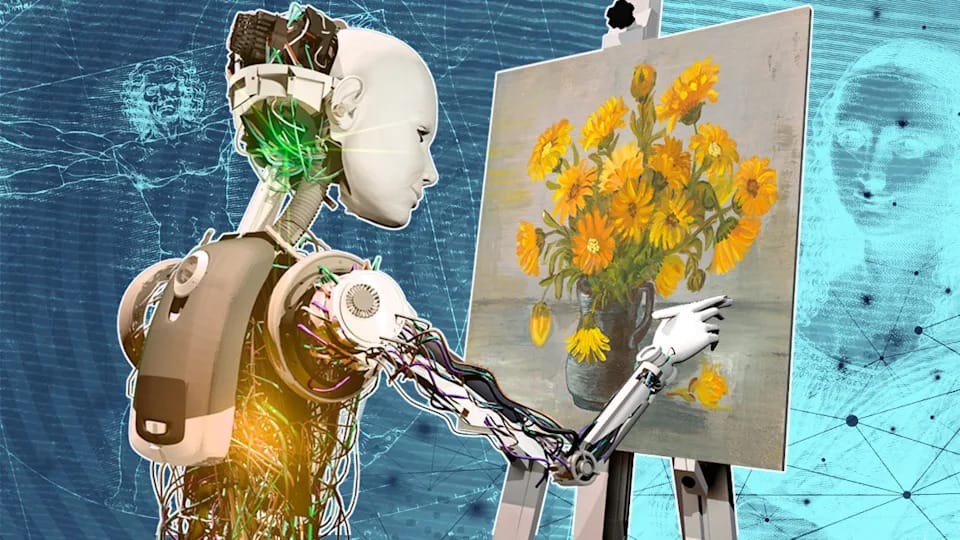
Impact on Artistic Employment:
AI‑generated tools are reshaping the job landscape for artists, bringing both opportunities and threats.
Opportunities:
1. New roles – Emergence of positions such as AI‑trainer, prompt engineer, and AI‑content curator, which blend creative skill with technical know‑how.
2. Increased productivity – Artists can deliver more work in less time, opening additional projects or higher‑value assignments, though the threat of over‑saturation remains.
3. Diversified services – Offering AI‑augmented deliverables (e.g., generative variations, custom‑style assets) expands market reach, yet the threat of commoditization looms.
Challenges:
1. Job displacement – Routine tasks like stock‑image creation or simple illustration may be automated, reducing demand for certain skill sets and posing a threat to employment.
2. Rate pressure – Faster production can lead clients to expect lower prices, squeezing freelance incomes and creating a threat to earnings stability.
3. Skill gaps – Artists without AI familiarity risk becoming less competitive, while those who adapt must continuously learn new tools; this gap itself is a threat to career longevity.
Industry effects:
– Freelance platforms see a rise in AI‑generated listings, forcing creators to differentiate their personal touch and confront the threat of being overlooked.
– Commission structures are evolving; contracts now sometimes specify AI involvement and ownership rights, raising a threat of ambiguous legal terms.
– Creative sectors (advertising, gaming, fashion) are adopting AI‑assisted workflows, altering traditional pipelines and introducing the threat of process disruption.
Mitigation strategies:
– Upskilling – Learning AI‑prompting, editing, and workflow integration keeps skills relevant and reduces the threat of obsolescence.
– Niche specialization – Emphasizing original concepts, storytelling, or hand‑crafted elements that AI can’t replicate easily, mitigating the threat of replacement.
– Legal safeguards – Clear agreements on AI‑generated content ownership and royalty sharing lessen the threat of exploitation.
Wrap up: AI impacts artistic employment by redefining roles and altering economic dynamics. While it creates new avenues and efficiencies, it also threatens conventional jobs, making adaptability and clear‑cut policies essential for artists.
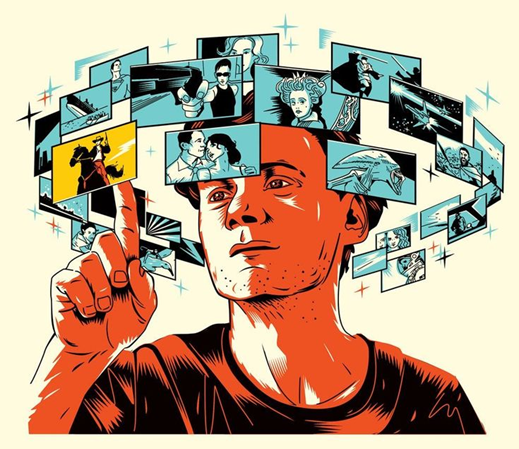
Authorship and Ownership Issues:
AI‑generated art raises tricky questions about who owns and who is credited for the final work. Key points:
1. Authorship ambiguity – Human vs. AI: When an artist prompts an AI model and then refines the result, it’s unclear whether the creator, the AI, or both should be considered the author.
– Creative contribution: Courts and platforms often look at human input (concept, selection, modification) to decide authorship, while the threat of overlooking AI’s role remains.
2. Legal framework – Copyright law traditionally protects works of human authorship; most jurisdictions don’t grant rights to non‑human entities such as AI.
– Some proposals suggest a joint‑ownership model or a new‑rights category for AI‑assisted works, but legislation is still evolving, creating a threat of legal uncertainty.
– Licenses for AI‑training data (e.g., Creative‑Commons) may conflict with output‑ownership claims, adding another threat layer.
3. Ownership challenges – Model provider (company that owns the AI) may claim rights through terms‑of‑service agreements, posing a threat to user‑claimed ownership.
– User (the person who gave the prompt) often assumes ownership, especially if they performed substantial editing, yet the threat of contested claims persists.
– Dataset creators could argue their material was used without permission, sparking infringement disputes and a threat to all parties involved.
4. Practical implications – Commercial use: Marketers, publishers, and clients need clear attribution and usage rights; uncertainty can stall projects, presenting a threat to business timelines.
– Moral rights: Artists may want recognition (credit) even if they didn’t execute every pixel, which current laws don’t always protect, raising a threat to personal reputation.
– Royalty distribution: No established mechanism for sharing profits between AI developers, users, and original data sources, creating a threat of unfair compensation.
5. Emerging solutions –
– Contractual agreements specifying ownership and credit upfront.
– Metadata standards (e.g., CAI‑Authorship) embedding provenance information in digital files, which helps mitigate the threat of misattribution.
– Industry guidelines and policy discussions aiming to balance creator rights with AI‑technological advancement, reducing overall threat levels.
Wrap Up:
Authorship and ownership of AI‑created art are unsettled territories. Legal clarity is lacking, and stakeholders—artists, AI vendors, and consumers—must navigate ambiguous rights, often relying on contracts and emerging best‑practice standards until law catches up, while the threat of unresolved disputes continues.
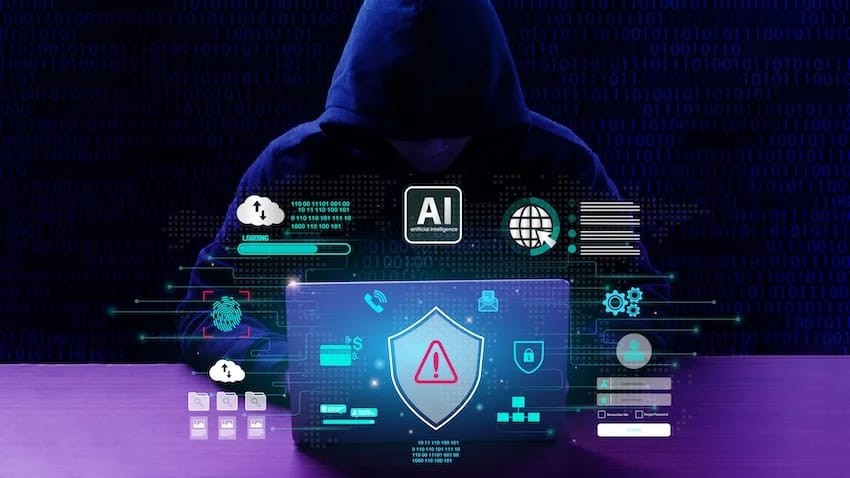
Authenticity and Perception:
AI‑generated or AI‑assisted art challenges how audiences and creators define authenticity and shapes their perception of a work. Key points
1. What is authenticity?
– Traditionally, authenticity hinges on human‑crafted intent, skill, and originality.
– With AI, the line blurs: the output is a collaboration between human prompt and algorithm, making “original” hard to pinpoint, and creating a threat to established notions of authenticity.
2. Audience perception
– Valuation bias: Viewers may value hand‑made pieces more highly, assuming they embody personal touch, while dismissing AI‑generated work as “manufactured,” which poses a threat to market demand.
– Emotional impact: Knowing that AI was involved can alter emotional response—sometimes enhancing awe, other times causing distrust, thus presenting a threat to audience trust.
– Disclosure effect: When creators reveal AI involvement, it can change appreciation, credibility, or spark controversy, adding a threat of public backlash.
3. Creator’s viewpoint
– Artists may feel empowered by extending their skill set, or alienated if the AI’s contribution overshadows their intent, creating a threat to personal agency.
– Tension between creative control (choosing prompts, editing) and algorithmic randomness (unpredictable results), which introduces a threat of loss of control.
4. Market and cultural impact
– Galleries and collectors are establishing new categories (e.g., “AI‑assisted” exhibitions), affecting pricing and provenance, and the threat of market volatility arises.
– Media hype around “AI art” can inflate interest or create hype‑driven bubbles, skewing normal market signals, a threat to economic stability.
– Cultural narratives may shift, normalizing AI‑generated content and redefining what counts as “art,” which carries a threat of diluting cultural heritage.
5. Ethical and psychological dimensions
– Misrepresentation risk: Passing AI‑generated work as purely human can be deceptive, raising ethical concerns and a threat of fraud.
– Identity concerns: Artists worry about loss of personal signature style when AI mimics it, impacting self‑identity and posing a threat to personal brand.
Wrap UP:
Authenticity and perception revolve around subjective judgments that change when AI is part of the creative process. While AI expands artistic possibilities, it also forces audiences, creators, and institutions to renegotiate what “real” art means and how it’s valued. Clear communication—such as labeling AI involvement—helps manage expectations and preserve trust, while the threat of misunderstanding remains.
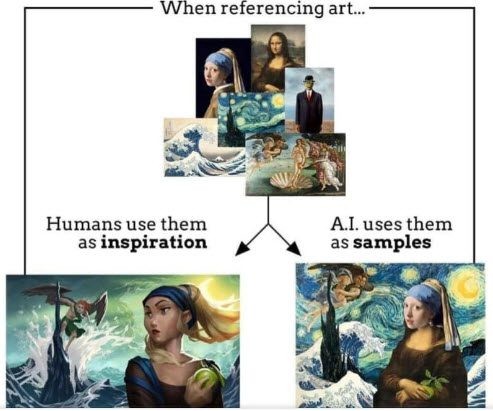
Economic Implications:
AI‑driven creative tools have notable economic effects across the art ecosystem. Key points
1. Cost‑efficiency
– AI can produce high‑quality assets quickly, lowering production time and labor costs for projects such as illustrations, marketing material, or game assets.
– This may reduce per‑unit expenses, especially for repetitive or bulk‑generated content, presenting a threat of cost‑cutting pressures.
2. Market dynamics
– Price pressure: Faster, cheaper creation can drive down fees, forcing freelancers and agencies to compete on price or value‑added services, a threat to income stability.
– New markets: AI‑generated stock images, NFTs, and personalized artwork open additional revenue streams and niche markets, though the threat of market saturation exists.
3. Employment shifts
– Job creation: Roles like prompt engineer, AI‑trainer, and AI‑content curator emerge, requiring blended creative‑technical skills.
– Job displacement: Routine illustration, graphic‑design, and stock‑photo tasks face AI‑automation, potentially reducing demand for certain skill sets and posing a threat to traditional jobs.
4. Income and royalty structures
– Traditional royalty models may not fit AI output; it’s unclear whether earnings should flow to the user, the AI‑platform, or data‑source creators, creating a threat of unfair compensation.
– Contracts now often include clauses specifying AI involvement, ownership, and profit‑sharing terms, mitigating the threat of legal ambiguity.
5. Investment and funding
– Venture capital is flowing into AI‑art startups, spurring innovation but also creating market concentration around a few dominant AI platforms, a threat to smaller participants.
– Cultural institutions and brands are allocating budgets to AI‑art projects, influencing funding allocation and raising the threat of resource imbalance.
6. Consumer behavior
– Price‑sensitive buyers may prefer cheaper AI‑generated options, while collectors sometimes pay premiums for verified human‑authored or AI‑assisted pieces.
– Transparency about AI involvement affects purchasing decisions and brand trust; lack of disclosure poses a threat to consumer confidence.
Wrap Up:
AI’s economic implications blend efficiency and disruption: it cuts costs and creates new opportunities, yet also pressures pricing, reshapes job roles, and complicates revenue‑sharing frameworks. Adapting to this shift requires artists, businesses, and policymakers to balance innovation with fair compensation and skill development, while addressing the threat of inequitable outcomes.
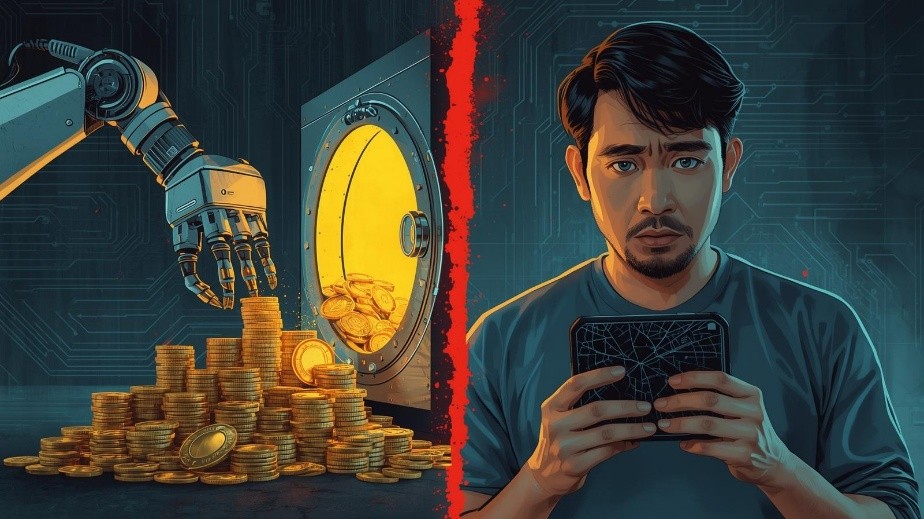
Skill Evolution and Learning:
AI‑driven tools are reshaping how artists acquire and apply skills, prompting a shift in learning pathways. Key points
1. New skill sets
– Prompt engineering – crafting effective text prompts to guide AI output.
– AI‑curation – selecting, editing, and refining AI‑generated results.
– Hybrid techniques – blending traditional media with AI‑processed elements (e.g., Photoshop‑AI workflows).
2. Learning approaches
– Formal education – Universities and online courses now include modules on generative AI, machine‑learning basics, and ethical use, while also warning of the threat of outdated curricula.
– Self‑directed learning – Tutorials, community forums, and experimentation with platforms like Midjourney, DALL‑E, or Stable Diffusion, though the threat of misinformation exists.
– Cross‑disciplinary collaboration – Artists teaming with data scientists or engineers to understand model limitations and possibilities, mitigating the threat of skill silos.
3. Impact on traditional skills
– Complementary boost – Core abilities (composition, color theory, storytelling) remain valuable, while AI handles repetitive or technical tasks.
– Potential skill drift – Over‑reliance on AI may lead to underdevelopment of manual techniques, especially for beginners, presenting a threat to foundational skill acquisition.
4. Continuous adaptation
– Rapid tool updates require lifelong learning; artists must stay current with algorithm changes, new features, and best‑practice guidelines, or face the threat of obsolescence.
– Building critical‑thinking skills—evaluating AI output for accuracy, bias, and aesthetic fit—becomes essential to counter the threat of low‑quality or misleading results.
5. Career‑level considerations
– Entry‑level creators can accelerate production and showcase portfolios faster, but may lack foundational craftsmanship, creating a threat of skill gaps.
– Experienced professionals often leverage AI for efficiency, freeing time for conceptual and high‑value work, and can transition into mentorship or oversight roles, reducing the threat of job displacement.
Wrap Up:
AI drives a skill evolution where creativity blends with technical fluency. Artists now need to master both traditional artistic principles and AI‑related competencies, encouraging flexible, lifelong learning to remain relevant in a changing creative landscape, while navigating the threat of skill erosion.
Ethical and Cultural Considerations:
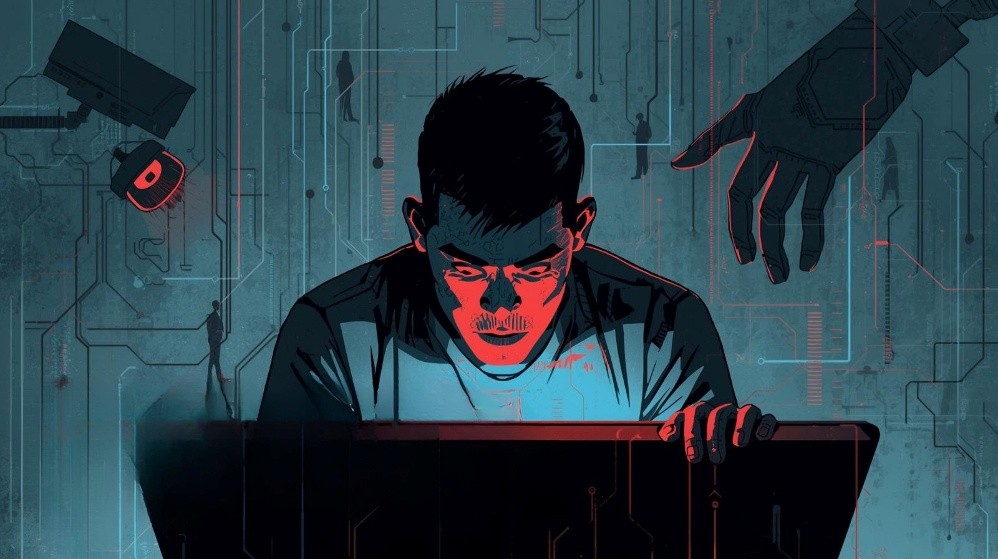
AI‑generated art raises ethical and cultural questions that affect creators, users, and societies. Key points:
1. Bias and Representation
– AI models learn from large datasets that may contain stereotypes, under‑representation, or skewed cultural norms, which can perpetuate bias in generated content, posing a threat of reinforcing harmful stereotypes.
– Artists must audit outputs and, when possible, use balanced training data to mitigate harmful stereotypes and reduce the threat of biased portrayal.
2. Cultural Appropriation
– AI can mimic styles or motifs from specific cultures without understanding context, leading to inappropriate or disrespectful use, creating a threat of cultural insensitivity.
– Ethical practice involves consulting cultural experts or obtaining permission when working with sensitive cultural elements, mitigating the threat of appropriation.
3. Intellectual‑property and Consent
– Training data often include copyrighted works; using them without consent infringes rights** and raises moral concerns, creating a threat of legal disputes.
– Clear attribution and, where required, licensing agreements are essential to respect original creators and avoid the threat of infringement.
4. Misinformation and Deepfakes
– Realistic AI‑generated images, videos, or text can be misused to spread false information, manipulate public opinion, or defame individuals, presenting a threat to societal trust.
– Ethical standards call for transparency—labeling content as AI‑generated when appropriate—and responsible sharing to curb the threat of deception.
5. Impact on Cultural Diversity
– Dominant AI platforms may prioritize commercially popular styles, potentially marginalizing minority or niche artistic traditions, a threat to cultural plurality.
– Supporting open‑source models and encouraging diverse datasets helps preserve cultural plurality and reduces the threat of homogenization.
6. Labor and Fairness
– Automation may displace workers in creative industries, raising concerns about fair compensation and job security, a threat to livelihoods.
– Ethical frameworks suggest providing retraining, social safety nets, and equitable profit‑sharing mechanisms to lessen the threat of exploitation.
Wrap Up : Ethical and cultural considerations revolve around responsible creation, respect for original works and communities, and sustainable impact. Artists, developers, and policymakers must collaborate to ensure AI‑augmented art respects cultural values, protects rights, and promotes inclusivity, while addressing the threat of unintended negative consequences.
Conclusion:
While AI opens new avenues for collaboration, efficiency, and skill expansion, it also introduces challenges such as job displacement, legal ambiguity, shifting perceptions of originality, economic pressure, and cultural‑ethical dilemmas. Navigating this transformation successfully requires a balanced approach: embracing AI’s capabilities, fostering continuous skill development, establishing clear‑cut legal and contractual frameworks, and cultivating responsible, inclusive practices that respect both creators’ rights and cultural integrity. By doing so, artists, industries, and society can harness AI’s potential while mitigating its threat.