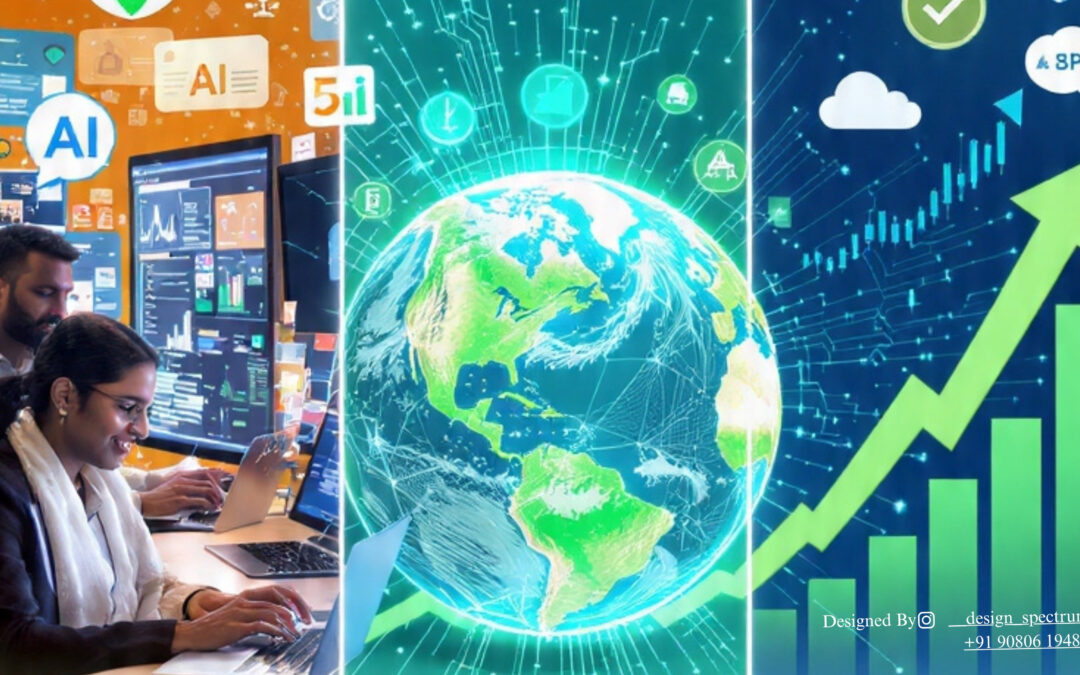
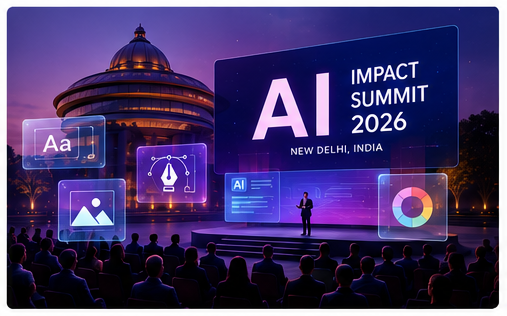
In February 2026, Bharat Mandapam in New Delhi hosted the India AI Impact Summit — a five-day gathering of over 20 heads of government, 500+ AI leaders, and delegates from 100 countries. It was the first global AI summit hosted in the Global South, built around three pillars, or “Sutras”: People, Planet, and Progress. The summit’s focus was policy and infrastructure, not creative tools. But the direction it set for AI — frugal, accessible, and human-centered — has real implications for where design tools are headed next. Here’s what that means if you’re a designer, brand strategist, or creative agency owner.
Table of Contents
AI Is Becoming a Creative Assistant, Not a Replacement
The summit’s emphasis on “AI for economic growth and social good” reflects a broader shift already visible in creative software: AI tools are moving from novelty to infrastructure. Practically, that means design platforms increasingly offer:
- Instant concept generation
- Multiple layout variations in one pass
- AI-assisted illustration and image enhancement
- Automated production work — resizing, formatting, repetitive edits
The effect isn’t fewer designers. It’s designers spending less time on production and more time on strategy, storytelling, and decisions AI can’t make on its own.
What India AI Impact Summit 2026 Means for Branding
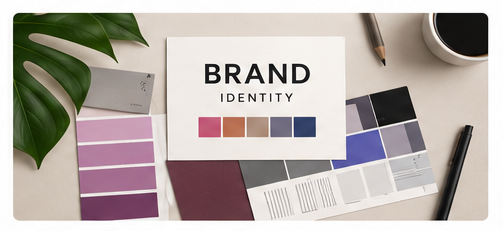
Consistent visual identity — across web, social, packaging, and ads — used to take a small team weeks to build. AI now speeds up the early stages:
- Mood boards generated from a brief in minutes
- Color palettes suggested using psychology-based logic
- Typography pairings tested at scale
- Draft consistency checks across platforms
None of this replaces the judgment call of which palette fits the brand’s actual personality, or why a typeface choice will resonate with a specific audience. That’s still where designers earn their fee — helping businesses build stronger brand experiences while AI handles the repetitive groundwork.
Faster Production Without Cutting Corners
Consistent visual identity — across web, social, packaging, and ads — used to take a small team weeks to build. AI now speeds up the early stages:
- Mood boards generated from a brief in minutes
- Color palettes suggested using psychology-based logic
- Typography pairings tested at scale
- Draft consistency checks across platforms
None of this replaces the judgment call of which palette fits the brand’s actual personality, or why a typeface choice will resonate with a specific audience. That’s still where designers earn their fee — helping businesses build stronger brand experiences while AI handles the repetitive groundwork.
AI’s Growing Role in UI/UX
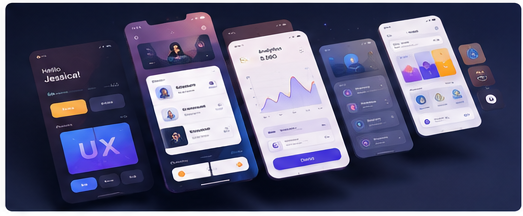
The summit’s “Democratizing AI Resources” pillar focused on making compute and tools more accessible globally — a trend already playing out in UI/UX software. Designers now have AI support for:
- Wireframe generation
- User behavior prediction
- Interface personalization
- Accessibility checks
- Layout recommendations
The result: faster iteration cycles, and websites and mobile applications that become more user-centric while development time goes down.
Where AI Still Falls Short
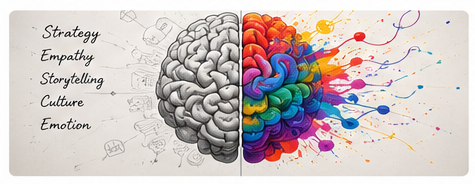
For all its speed, AI can’t read a room. It doesn’t understand:
- Brand emotion and tone
- Cultural nuance
- Storytelling arcs
- Consumer psychology
- Strategic positioning
These are the parts of design that make a brand feel like something, not just look like something. No model trained on existing images can originate that — it can only remix what’s already been made. and websites and mobile applications that become more user-centric while development time goes down.
The Ethics Conversation Isn’t Optional
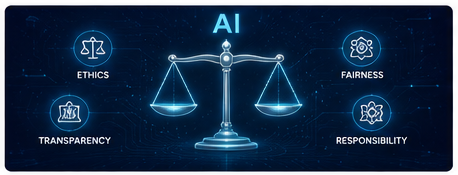
As AI-generated visuals become common, designers who use these tools carry new responsibilities:
- Respecting copyright and IP — especially since AI outputs can closely resemble existing work
- Disclosing when a visual is AI-generated
- Avoiding manipulated or misleading imagery
- Designing for accessibility and inclusion by default
Agencies that build these checks into their process now will have a real trust advantage as clients get more AI-literate — and more wary. cycles, and websites and mobile applications that become more user-centric while development time goes down.
The Opportunity for Agencies
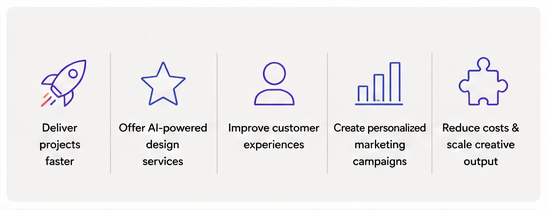
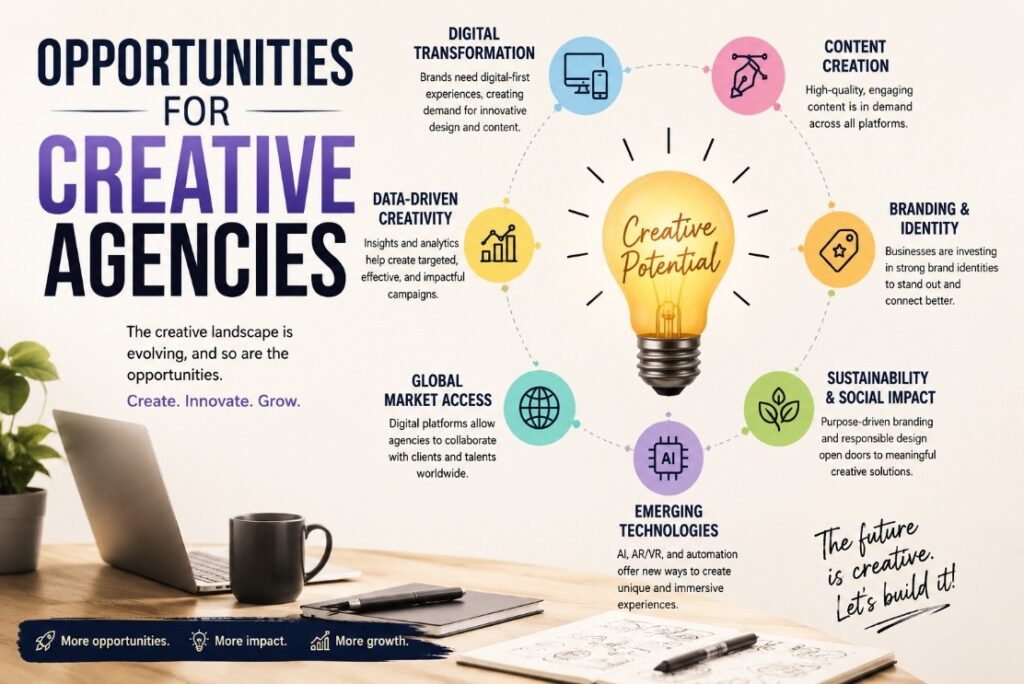
Rather than a threat, AI is a lever for agencies willing to restructure around it:
- Faster turnaround on standard deliverables
- New AI-assisted service tiers
- Lower production costs, higher margins
- Scaled output without a scaled headcount
The agencies that struggle won’t be the ones using AI — they’ll be the ones pretending it isn’t already changing client expectations.
Conclusion
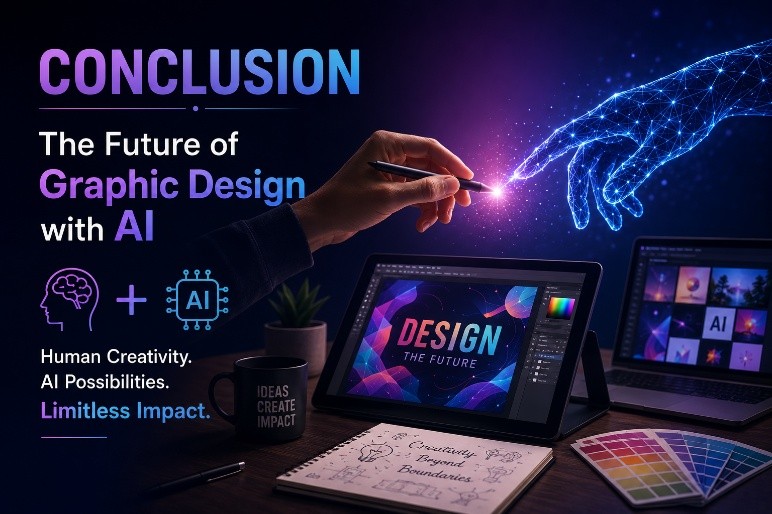
The India AI Impact Summit 2026 wasn’t a design conference — but its vision for accessible, human-centered AI points directly at where creative tools are heading. For designers and agencies, the opportunity isn’t choosing between AI and human creativity. It’s building a workflow where AI technology handles the repeatable work, and human judgment handles everything that actually makes a brand memorable.
Excellent write-up. this topic is becoming more important in 2026. This will help many beginners.
Your post offered several useful ideas to consider while browsing online and I look forward to reading more from you
Thank you for the auspicious writeup It in fact was a amusement account it Look advanced to far added agreeable from you However how can we communicate
The discussion shared a clear perspective on the topic this morning and I look forward to reading more from you
I really appreciated good reasons to explore the topic further today and I look forward to reading more from you
Your writing is not only informative but also incredibly inspiring. You have a knack for sparking curiosity and encouraging critical thinking. Thank you for being such a positive influence!
Your explanation gave me a refreshing way to understand the issue today and I look forward to reading more from you
The article presents an engaging overview from start to finish this morning and I look forward to reading more from you
I really appreciated practical information I can use while browsing online and I look forward to reading more from you
Amazing insights, looking forward to more posts like this. Report my care blue sea.