Introduction:
The graphic design landscape is undergoing a seismic shift as rapid technological advancements redefine how visual communication is created and experienced. Emerging technologies such as Artificial Intelligence (AI), Augmented Reality (AR), and Virtual Reality (VR) are reshaping the industry by empowering designers to build highly immersive, interactive, and personalized experiences. AI-driven tools are streamlining workflows by automating repetitive tasks like image resizing, layout generation, and color optimization, while also enabling generative design systems that can explore countless creative variations in seconds.
Meanwhile, AR and VR are pushing design beyond flat screens, allowing brands to craft spatial, experiential narratives that audiences can explore in real time—whether through virtual product try-ons, interactive brand worlds, or mixed-reality storytelling. These technologies are not replacing designers but redefining their role, shifting the focus from manual execution to creative direction, strategic thinking, and experience design. As a result, graphic designers are expanding into multidisciplinary roles, blending design, technology, and storytelling to create emotionally engaging and future-ready visual ecosystems.
Table of Contents
Entry of AI in to Graphic design technologies:
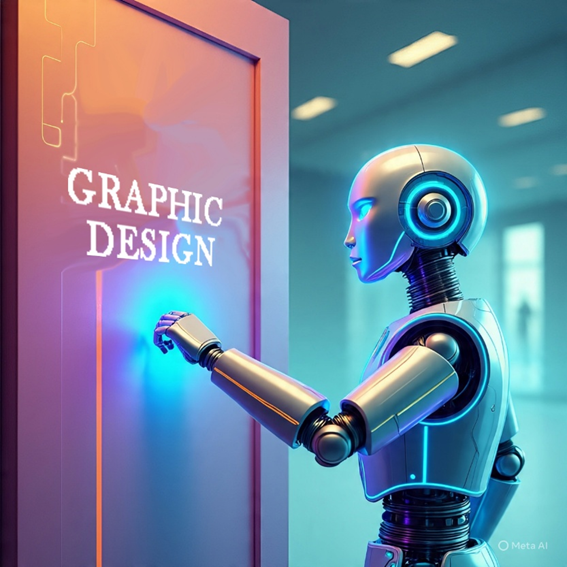
The integration of Artificial Intelligence (AI) in graphic design is revolutionizing the graphic design industry with advanced technologies. AI-powered tools are being used to automate repetitive tasks, generate graphic design ideas, and enhance creativity in graphic design.
How AI is Transforming Graphic Design Technologies in the field of graphic design
1.Design Automation: Design automation has become a transformative development in the field of graphic design, largely driven by the rapid advancement of Artificial Intelligence (AI) and modern graphic design technologies. AI-powered graphic design platforms are now capable of automatically generating customized visual content such as logos, marketing materials, branding elements, and social media graphics based on user input and design preferences. By analyzing design trends, color theory, typography styles, and layout principles, these intelligent systems can produce visually appealing and professional designs within minutes.
2.Image Editing: Image editing has significantly evolved with the integration of Artificial Intelligence (AI) into modern graphic design technologies. AI-driven image editing tools are capable of automatically enhancing, correcting, and manipulating images with high precision and efficiency. These tools use advanced algorithms to analyze different elements within an image—such as lighting, colors, textures, and objects—and make intelligent adjustments that improve the overall visual quality.
3. Design Assistance: AI-assisted graphic design tools have become valuable resources for designers by providing intelligent suggestions and recommendations throughout the creative process. These tools use machine learning algorithms and data from thousands of professional design examples to analyze layout structures, color combinations, typography choices, and visual balance. Based on this analysis, AI systems can guide graphic designers in making better design decisions and improving the overall quality of their work.
Benefits of AI in Graphic Design Technologies
1. Increased Efficiency: Artificial Intelligence (AI) plays a significant role in automating repetitive tasks in graphic design, making the design process faster and more efficient. Many routine activities that previously required manual effort can now be handled automatically by AI-powered graphic design technologies. As a result, graphic designers can spend less time on technical or repetitive work and focus more on creativity, strategy, and innovative design solutions.
2. Enhanced Creativity: AI-generated graphic design ideas are playing an increasingly important role in inspiring creativity and innovation within the graphic design field. By using advanced algorithms and machine learning techniques, AI systems can analyze vast collections of design patterns, styles, color combinations, typography, and visual compositions. Based on this analysis, AI tools can generate new design ideas, layouts, and visual concepts that designers may not have initially considered.
3. Improved Consistency: AI-assisted graphic design plays an important role in maintaining brand consistency across various graphic design elements. Brand consistency is essential for businesses and organizations because it helps create a recognizable identity and builds trust among audiences. AI-powered design tools help ensure that visual elements such as logos, colors, typography, layouts, and graphic styles remain uniform across different design materials and platforms.
Future of AI in Graphic Design Technologies
As AI technology continues to evolve, we can expect even more innovative applications in graphic design. Graphic designers will need to adapt to working alongside AI tools, leveraging their capabilities to create stunning and effective graphic designs. By embracing AI in graphic design technologies, graphic designers can unlock new levels of creativity, efficiency, and innovation, ultimately delivering better results for their clients and audiences.
Augmented Reality (AR) and Virtual Reality (VR) Technologies in Graphic Design
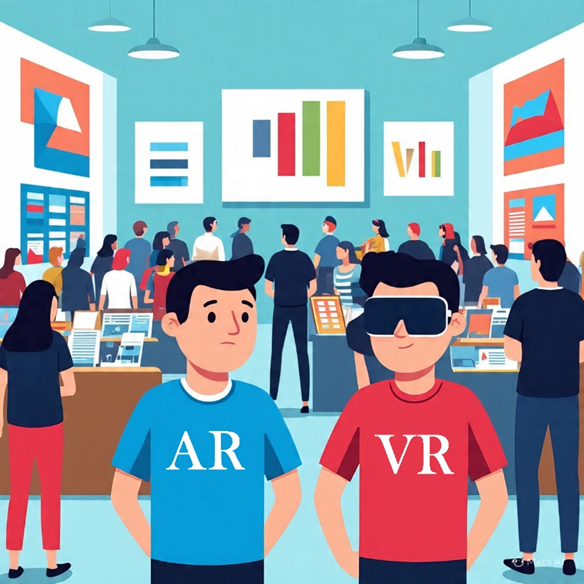
AR and VR graphic design technologies are transforming the graphic design industry by providing immersive and interactive experiences. These graphic design technologies are changing the way graphic designers create and users interact with digital content in graphic design.
Benefits of AR and VR in Graphic Design Technologies
1. Enhanced User Experience: Augmented Reality (AR) and Virtual Reality (VR) technologies are transforming the field of graphic design by creating immersive and interactive experiences for users. These technologies allow designers to move beyond traditional two-dimensional visuals and develop dynamic environments where users can interact with digital elements in more engaging and meaningful ways. By integrating AR and VR into graphic design, designers can create experiences that capture attention, enhance user engagement, and leave a lasting impression.
2. Increased Engagement: Augmented Reality (AR) and Virtual Reality (VR) technologies significantly enhance user engagement and retention in the field of graphic design. These technologies allow designers to create interactive and immersive visual experiences that capture users’ attention more effectively than traditional static designs. By integrating AR and VR into graphic design technologies, brands can provide users with unique experiences that encourage deeper interaction with visual content.
3. New Design Possibilities: Augmented Reality (AR) and Virtual Reality (VR) technologies have opened new possibilities for graphic designers by allowing them to create innovative and interactive designs that go beyond the limitations of traditional two-dimensional (2D) graphic design. In conventional graphic design, designers mainly work with flat visual elements such as images, text, colors, and layouts on printed or digital surfaces. However, AR and VR technologies introduce three-dimensional (3D) environments and interactive experiences, enabling designers to create more dynamic and engaging visual content.
Applications of AR and VR in Graphic Design Technologies
1. Interactive Marketing Campaigns: Augmented Reality (AR) and Virtual Reality (VR) technologies are increasingly used in graphic design to create interactive and engaging marketing campaigns that effectively capture users’ attention. Unlike traditional marketing methods that rely on static images or simple videos, AR and VR allow designers to develop immersive experiences where users can actively interact with visual content. This level of interaction makes marketing campaigns more appealing, memorable, and impactful.
2. Product Design and Visualization: Augmented Reality (AR) and Virtual Reality (VR) technologies play an important role in graphic design technologies by enabling users to visualize and interact with product designs in a more realistic and engaging way. Unlike traditional graphic design methods that present products through static images or simple illustrations, AR and VR allow designers to create interactive and three-dimensional visualizations that help users better understand a product’s features, structure, and benefits.
3. Education and Training: Augmented Reality (AR) and Virtual Reality (VR) technologies can be used in graphic design to create interactive and engaging educational experiences that improve learning and information retention. Unlike traditional learning methods that rely mainly on textbooks, static images, or lectures, AR and VR allow learners to interact with visual content in a more immersive and dynamic way. This makes the learning process more interesting, effective, and memorable.
How AR and VR are Changing Graphic Design Technologies
1. From 2D to 3D: Augmented Reality (AR) and Virtual Reality (VR) technologies are gradually shifting the focus of graphic design from traditional two-dimensional (2D) designs to more dynamic three-dimensional (3D) experiences. In the past, graphic design primarily involved creating flat visuals such as posters, banners, advertisements, and digital graphics displayed on screens or printed materials. While these designs effectively communicated information, they often lacked depth and interactivity. With the introduction of AR and VR technologies, designers are now able to create immersive visual environments that provide users with a more engaging and interactive experience.
2. Increased Interactivity: Augmented Reality (AR) and Virtual Reality (VR) technologies provide highly interactive experiences that allow users to engage with digital content in a more meaningful and immersive way. In traditional graphic design, users mainly interact with static visuals such as images, posters, or digital graphics that present information in a fixed format. However, AR and VR technologies transform these static designs into interactive environments where users can actively participate and explore visual elements.
3. New Design Tools and Software: Augmented Reality (AR) and Virtual Reality (VR) technologies require advanced graphic design tools and software that can effectively handle the complexities of three-dimensional (3D) design and interactive experiences. Unlike traditional graphic design, which mainly focuses on two-dimensional visuals such as images, text, and layouts, AR and VR design involves creating immersive environments where users can interact with digital elements in real time. This shift requires more sophisticated tools that support 3D modeling, animation, spatial design, and user interaction.
Future of AR and VR in Graphic Design Technologies
As AR and VR graphic design technologies continue to evolve, we can expect even more innovative applications in graphic design. Graphic designers will need to adapt to creating immersive and interactive experiences that engage and inspire users. By embracing AR and VR graphic design technologies, graphic designers can unlock new levels of creativity, engagement, and innovation, transforming the way users interact with digital content in graphic design.
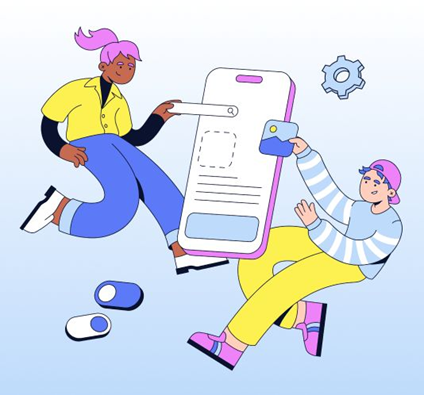
Interactive and Adaptive Graphic Design Technologies
Interactive and adaptive graphic design creates digital products that respond to user input and adapt to their needs. This approach enhances user experience, increases engagement, and improves accessibility in graphic design technologies.
Key Benefits
1. Personalization: Interactive and adaptive graphic design focuses on creating personalized visual experiences that adjust according to individual users’ preferences, behaviors, and interactions. Unlike traditional graphic design, where the same design is presented to every user, interactive and adaptive design technologies allow digital content to change dynamically based on how users engage with it. This approach makes the design more relevant, engaging, and effective for each individual user.
2. Engagement: Interactive elements play an important role in modern graphic design technologies by encouraging users to actively participate and interact with digital products. Unlike traditional static designs that simply present information, interactive design allows users to engage directly with visual elements through actions such as clicking, tapping, scrolling, dragging, or hovering. This active involvement makes the overall experience more engaging and enjoyable.
3. Accessibility: Adaptive graphic design plays an important role in ensuring that digital products are accessible and usable for a wide range of users, including individuals with disabilities. In modern graphic design, the goal is not only to create visually appealing designs but also to ensure that everyone can access and interact with digital content easily. Adaptive design focuses on adjusting design elements to meet the needs of different users, devices, and accessibility requirements.
Applications
1. Web and Mobile Graphic Design: Interactive and adaptive web and mobile graphic design plays a vital role in creating responsive, engaging, and user-friendly websites and mobile applications. In modern graphic design technologies, designers focus not only on visual appeal but also on how users interact with digital platforms. Interactive and adaptive design ensures that digital products respond effectively to user actions, preferences, and different device types, resulting in a smoother and more engaging user experience.
2.Product graphic design that incorporates interactive and adaptive features focuses on creating products that respond to users’ needs, preferences, and behaviors. In modern graphic design, designers aim to develop visual elements and product interfaces that are not only aesthetically appealing but also responsive and user-centered. Interactive and adaptive product graphic design allows digital products, packaging, and interfaces to adjust and react based on how users interact with them.
Best Practices in Graphic Design Technologies
– User Research in Graphic Design: Conducting user research helps graphic designers understand user needs and behaviors in graphic design technologies. This informs graphic design decisions and ensures that the product meets user needs in graphic design.
– Testing and Iteration in Graphic Design: Testing graphic designs with real users and refining based on feedback ensures that the product is effective and user-friendly in graphic design technologies.
– Data-Driven Design in Graphic Design: Using data to inform graphic design decisions helps graphic designers create products that are optimized for user engagement and conversion in graphic design. By incorporating interactive and adaptive graphic design principles, graphic designers can create digital products that are engaging, personalized, and effective in graphic design technologies. This leads to increased user satisfaction, loyalty, and ultimately, business success in graphic design.

Minimalism in Graphic Design Technologies
Minimalism is a graphic design approach that emphasizes simplicity, clarity, and elegance in graphic design technologies. In graphic design, minimalism involves:
1. Clean Typography in Graphic Design: Using simple, legible fonts in graphic design.
2. Limited Color Palette in Graphic Design: Restricting colors to a few core hues in graphic design technologies.
3. Whitespace in Graphic Design: Embracing empty space to create focus in graphic design.
4. Simple Shapes in Graphic Design: Using basic geometric shapes in graphic design technologies.
Benefits of Minimalism in Graphic Design
1. Enhanced Clarity and Readability: Minimalist graphic design plays an important role in enhancing clarity and readability in modern graphic design technologies. This design approach focuses on simplicity by using only essential visual elements such as clean layouts, limited color palettes, simple typography, and sufficient white space. By removing unnecessary details and visual clutter, minimalist design allows users to focus more easily on the main message or information being presented.
2. Improved User Experience: Minimalist graphic design significantly improves user experience in graphic design by focusing on simplicity, clarity, and functionality. This design approach removes unnecessary visual elements and emphasizes only the most essential components such as clear typography, simple layouts, limited color palettes, and adequate white space. By reducing visual clutter, minimalist design makes it easier for users to understand and interact with the content.
3. Timeless Design: Minimalist graphic design focuses on simplicity, clarity, and the use of essential design elements, which helps create timeless designs that remain effective across various graphic design technologies. By avoiding overly complex visuals, excessive decoration, or trends that may quickly become outdated, minimalist design ensures that the visual message remains clear and relevant for a long period of time.
4. Versatility Across Various Mediums: Minimalist graphic design is highly versatile and can be effectively applied across various mediums in graphic design technologies. This design approach focuses on simplicity, clean layouts, limited color palettes, and clear typography, making it adaptable to different platforms and formats. Because minimalist design relies on essential visual elements rather than complex graphics, it can easily be used in both digital and print media.
Key Principles of Minimalism in Graphic Design
1. Less is More: Removing unnecessary elements in graphic design technologies.
2. Focus on Essentials: Highlighting key messages in graphic design.
3. Simplicity and Elegance: Creating visually appealing designs in graphic design technologies.
Delivery of Information Through Graphic Designs
Effective graphic design communicates information clearly and efficiently in graphic design technologies. Key aspects include:
1. Visual Hierarchy in Graphic Design: Organizing content to guide the viewer’s attention in graphic design.
2. Clear Typography in Graphic Design: Using legible fonts and font sizes in graphic design technologies.
3. Color and Contrast in Graphic Design: Utilizing color and contrast to highlight important information in graphic design.
4. Imagery and Graphics in Graphic Design: Incorporating relevant images and graphics to support the message in graphic design technologies.
Benefits of Effective Information Delivery in Graphic Design
1. Improved Understanding and Retention: Effective graphic design improves understanding and retention in graphic design technologies.
2. Enhanced User Experience: Effective graphic design enhances user experience in graphic design.
3. Increased Engagement: Effective graphic design increases engagement in graphic design technologies.
4. Better Communication of the Message: Effective graphic design communicates the message clearly and efficiently in graphic design.
Best Practices in Graphic Design Technologies
1. Keep it Simple and Concise: Simple and concise graphic design is effective in graphic design technologies.
2. Use Clear and Consistent Labeling: Clear and consistent labeling enhances user experience in graphic design.
3. Ensure Visual Balance and Harmony: Visual balance and harmony create effective graphic designs in graphic design technologies.
4. Test and Refine the Design: Testing and refining the graphic design ensures that it is effective and user-friendly in graphic design technologies.
Conclusion
The graphic design industry is undergoing a significant transformation, driven by emerging graphic design technologies and design trends. The integration of AI, AR, and VR is revolutionizing the way graphic designers work and create, while interactive and adaptive graphic design is enhancing user experiences in graphic design technologies. Minimalism continues to be a timeless and effective graphic design approach, and the delivery of information through graphic design remains a crucial aspect of graphic design technologies. As graphic designers, it’s essential to stay up-to-date with these trends and technologies to create innovative, engaging, and effective graphic designs. By embracing these changes and focusing on user-centered graphic design, we can create graphic designs that not only look great but also provide value to our audience in graphic design technologies. Whether you’re a seasoned graphic designer or just starting out, the future of graphic design is full of exciting possibilities in graphic design technologies. By staying curious, adaptable, and creative, we can navigate the ever-changing landscape of graphic design and create graphic designs that inspire, educate, and delight our audience in graphic design technologies.